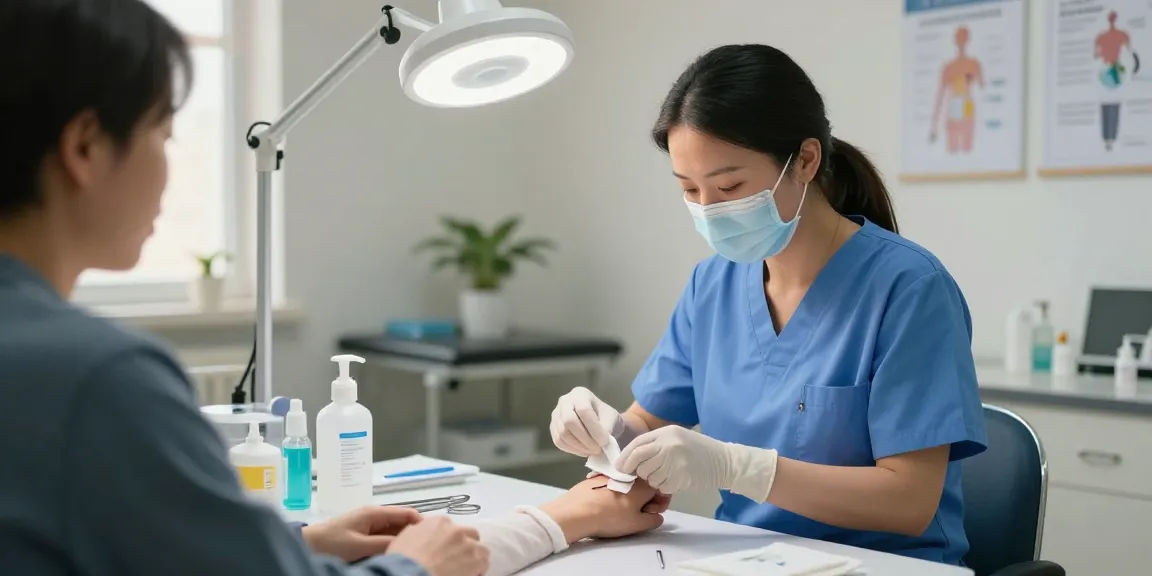
Understanding Medical Gauze
Medical gauze is an indispensable component in the realm of healthcare, playing a critical role in wound management and surgical procedures. By providing essential protective barriers and absorbency, gauze helps to facilitate healing while minimizing the risk of infection. As healthcare continues to evolve, the understanding and application of medical gauze is paramount for practitioners, patients, and caretakers alike. When exploring options, medical gauze serves as a foundational element in numerous medical applications, from simple dressings to complex surgical interventions.
What is Medical Gauze?
Medical gauze is a thin, woven fabric typically made from cotton or a blend of materials designed for various medical purposes. Its primary function is to absorb fluids, protect wounds from external contaminants, and promote a conducive environment for healing. Gauze can come in various forms, including sterile and non-sterile varieties, depending on its intended use. Often characterized by its high absorbency and breathability, gauze allows for moisture evaporation, which is crucial in preventing maceration of the surrounding skin.
Types of Medical Gauze and Their Uses
Medical gauze is available in several types, each suited for different clinical scenarios. The most common categories include:
- Absorbent Gauze: This type is highly absorbent and is used to control bleeding and exudate from wounds.
- Non-Absorbent Gauze: Typically made from synthetic materials, this gauze is used mainly for packing wounds or as a protective cover.
- Sterile Gauze: Used for surgical procedures and open wounds, sterile gauze minimizes the risk of infection.
- Antimicrobial Gauze: Treated with agents that inhibit bacterial growth, this type advances wound healing while reducing infection risk.
- Compress Gauze: Often used for pressure dressings, this type is thicker and provides additional support to injured areas.
Importance of Quality in Medical Gauze
The quality of medical gauze directly affects its efficacy in clinical settings. High-quality gauze minimizes the risk of allergens or irritants that can impede the healing process. Furthermore, gauze that meets stringent regulatory standards ensures that it is safe for both patients and practitioners. Healthcare providers should always prioritize sourcing gauze from reputable manufacturers to ensure that the material is free from contaminants and has the necessary absorbency and durability for the intended application.
Applications of Medical Gauze in Healthcare
Medical gauze has numerous applications across various healthcare sectors. Its versatility and functionality make it an essential item in any medical kit. From emergency care to post-operative treatment, gauze plays a vital role in patient recovery and comfort.
Role of Medical Gauze in Wound Care
In wound care, medical gauze is fundamental for dressing injuries effectively. It provides a barrier against environmental contaminants while facilitating the drainage of excess fluid from the wound. By absorbing exudate, gauze helps to prevent infection and promotes healing by keeping the wound moist. Furthermore, gauze can be easily cut or folded to fit various wound sizes and types, making it an adaptable choice for healthcare professionals.
Using Medical Gauze in Surgical Procedures
During surgical procedures, medical gauze is not only used for dressing the incision site but also for absorbing blood and other fluids. Surgeons utilize sterile gauze to maintain a clean surgical environment and minimize contamination risks. Additionally, gauze can serve as a temporary packing material to control bleeding in critical situations until more permanent solutions can be applied.
Alternatives to Traditional Medical Gauze
While traditional medical gauze is widely used, there are alternatives available that may offer additional benefits. These include:
- Foam Dressings: These dressings provide cushioning and are effective for high exudate wounds.
- Hydrocolloid Dressings: Designed to create a moist environment, hydrocolloid dressings promote faster healing for certain types of wounds.
- Alginate Dressings: Made from seaweed, these dressings are highly absorbent and ideal for wounds with significant exudate.
Advanced dressing materials can be particularly useful in specific scenarios, with some patients benefiting from customized care that employs a combination of gauze and alternative materials.
Best Practices for Using Medical Gauze
To maximize the effectiveness of medical gauze, it is essential to follow best practices in its application and maintenance. Understanding these practices will ensure optimal healing outcomes for patients.
How to Properly Apply Medical Gauze
Applying medical gauze correctly is crucial for effective wound management. Start by washing your hands thoroughly and ensuring the area around the wound is sanitized. Then, gently clean the wound with saline or an appropriate antiseptic solution. Once the wound is clean, use sterile gauze to cover the area, ensuring it adheres well without sticking to the wound itself. Secure the gauze with medical tape or a bandage to keep it in place.
Common Mistakes When Using Medical Gauze
One common mistake in gauze application is using non-sterile gauze for wounds requiring sterility, which can lead to infections. Additionally, improper fitting can result in dressing being too tight, impeding circulation, or too loose, allowing contaminants to enter. Regularly changing the gauze as needed, especially if it becomes wet or soiled, is vital to maintaining the wound’s integrity.
Maintaining Sterility with Medical Gauze
Keeping gauze sterile is essential in preventing infection. Always use sterilized products, and handle them with clean hands. Avoid touching the part of the gauze that comes into contact with the wound. When changing dressings, ensure that the work environment is clean and that all instruments used are also sterilized to reduce the risk of introducing pathogens.
Future Trends in Medical Gauze Usage
The landscape of medical gauze is evolving as new materials and technologies emerge. Innovations are shaping how gauze is used and how it contributes to patient care.
Innovations in Medical Gauze Materials
Future developments in medical gauze will likely focus on enhancing materials to improve absorption, breathability, and antimicrobial properties. Smart textiles, which include sensors that monitor wound conditions, could pave the way for a new standard in gauze usage. This technology would allow for more accurate tracking of healing progress and the timely adjustment of treatment protocols.
Antimicrobial Gauze: A Rising Trend
As concerns over antibiotic resistance grow, antimicrobial gauze is gaining popularity. This type of gauze is treated with antimicrobial agents that help prevent bacterial growth around the wound. As research progresses, we may see more advanced formulations that effectively combat a broader range of pathogens while maintaining compatibility with wound care protocols.
Predictions for Medical Gauze in 2026 and Beyond
By 2026, medical gauze is expected to be more sophisticated, with features enhancing not only its primary functions but also patient comfort and healing efficiency. Integration with digital health technologies could enable better patient monitoring and personalized care strategies, ultimately leading to improved healing outcomes and reduced healthcare costs.
FAQs About Medical Gauze
What types of medical gauze are best for wound care?
The best types of medical gauze for wound care depend on the nature and severity of the wound. Generally, absorbent gauze is recommended for managing moderate to heavy exudate, while sterile gauze is preferred for open wounds or post-surgical care. For specific cases, antimicrobial gauze may be beneficial to reduce infection risks.
How do I know when to change medical gauze?
Medical gauze should be changed when it becomes wet, soiled, or loose. Additionally, it may need to be changed if the dressing shows signs of seepage, which could indicate that the wound is producing excess fluid and requires a more absorbent dressing.
Can medical gauze be used for all types of injuries?
While medical gauze is versatile, it may not be suitable for all injuries. For deep or heavily bleeding wounds, consult a healthcare professional for appropriate treatment options, which may include advanced dressings or stitches.
What are the safety considerations for using medical gauze?
Safety considerations include ensuring that the gauze is sterile, avoiding contact with the wound and any contaminated areas, and monitoring for allergic reactions or infections. Always follow guidelines for applying and changing dressings to ensure patient safety.
Where can I purchase high-quality medical gauze?
High-quality medical gauze can be purchased at pharmacies, medical supply stores, and online retailers specializing in medical products. It is advisable to check for certifications and read reviews before making a purchase to ensure the quality of the product.